For students, useful gifts can make study sessions easier, keep reading materials organized, or add a little comfort to a dorm room. These twelve ideas cover a range of thoughtful options.
Consider the recipient’s routines and available space: a small stationery gift may suit a commuter, while room accessories can work well for someone settling into a dorm or home study area.
12 Thoughtful Gift Ideas for Students
PILOT G2 Fine Point Green Gel Pens, 12-Pack
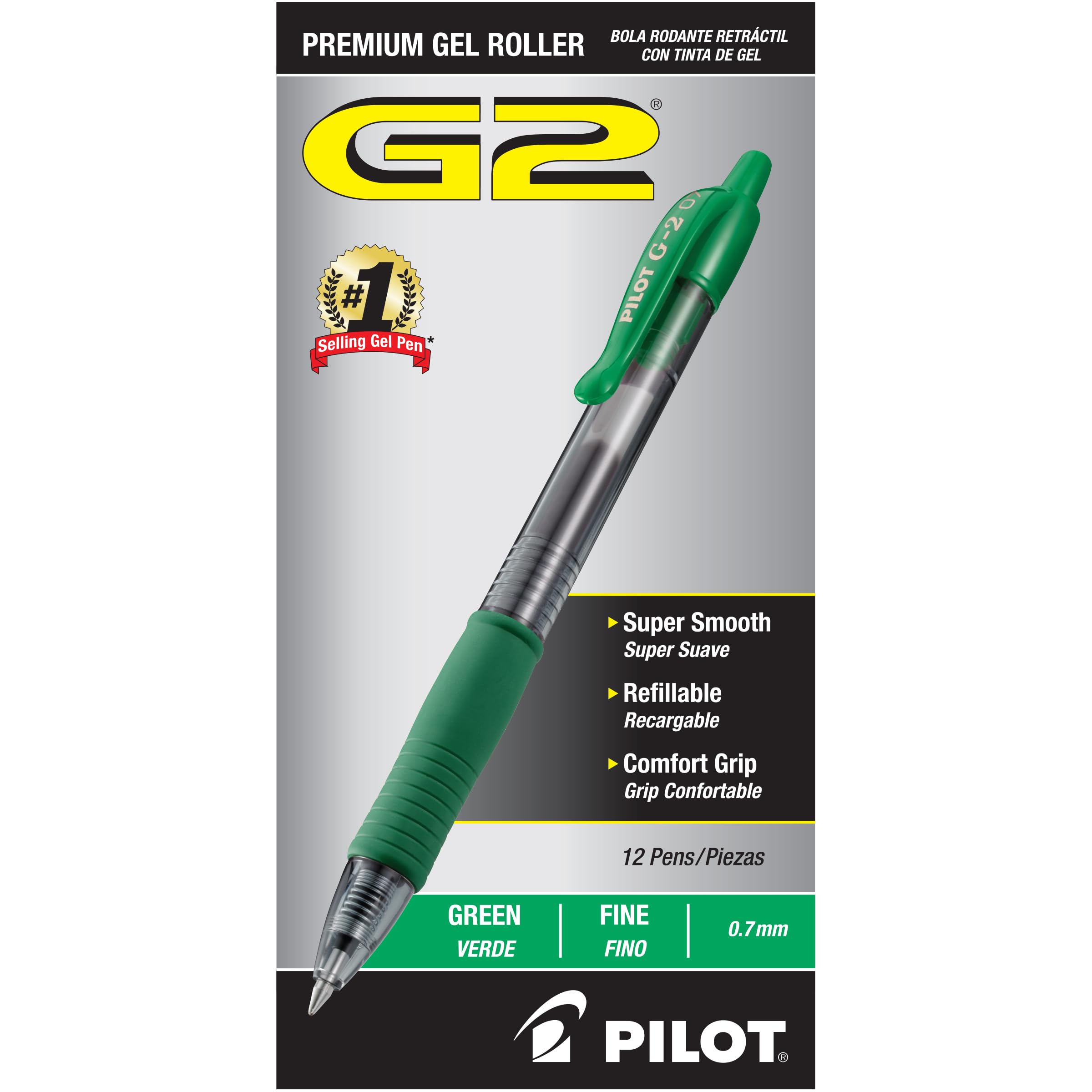
- The fine-point pens use green gel ink for notes and everyday writing.
- The rubber grip is designed to support longer writing sessions.
- The pens are refillable with Pilot G2 refills, sold separately.
Best Gift For: Students who like using green ink for notes, planning, and school work.

Phomemo D30 Bluetooth Label Maker with 3 Tapes
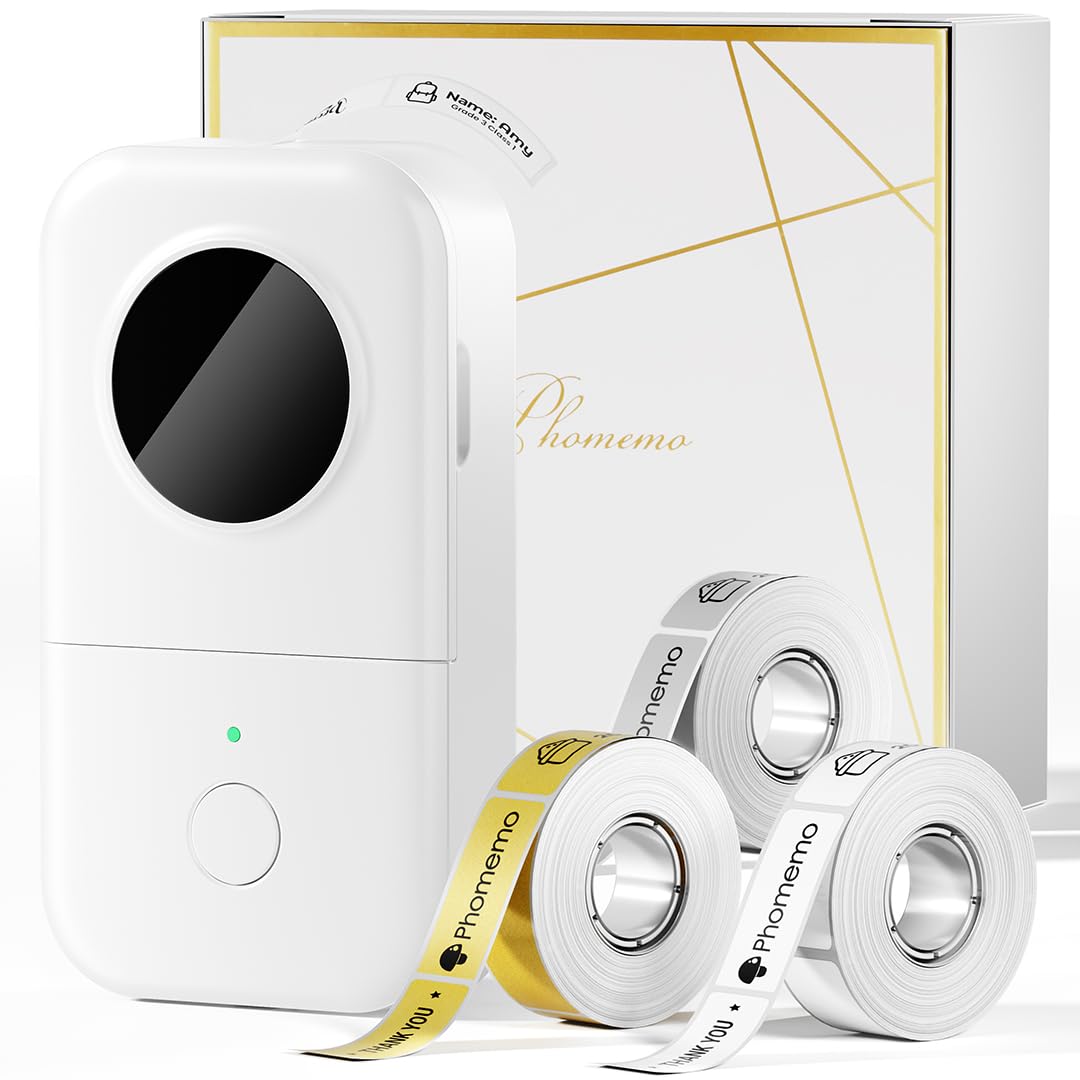
- The set includes one white, one gold, and one clear tape.
- It prints black text without ink, toner, or ribbons.
- Labels can be created from a smartphone using Bluetooth.
Best Gift For: Students organizing school supplies, files, or personal items in a dorm or home study area.
Clever Fox Planner PRO Light, Undated Weekly Planner
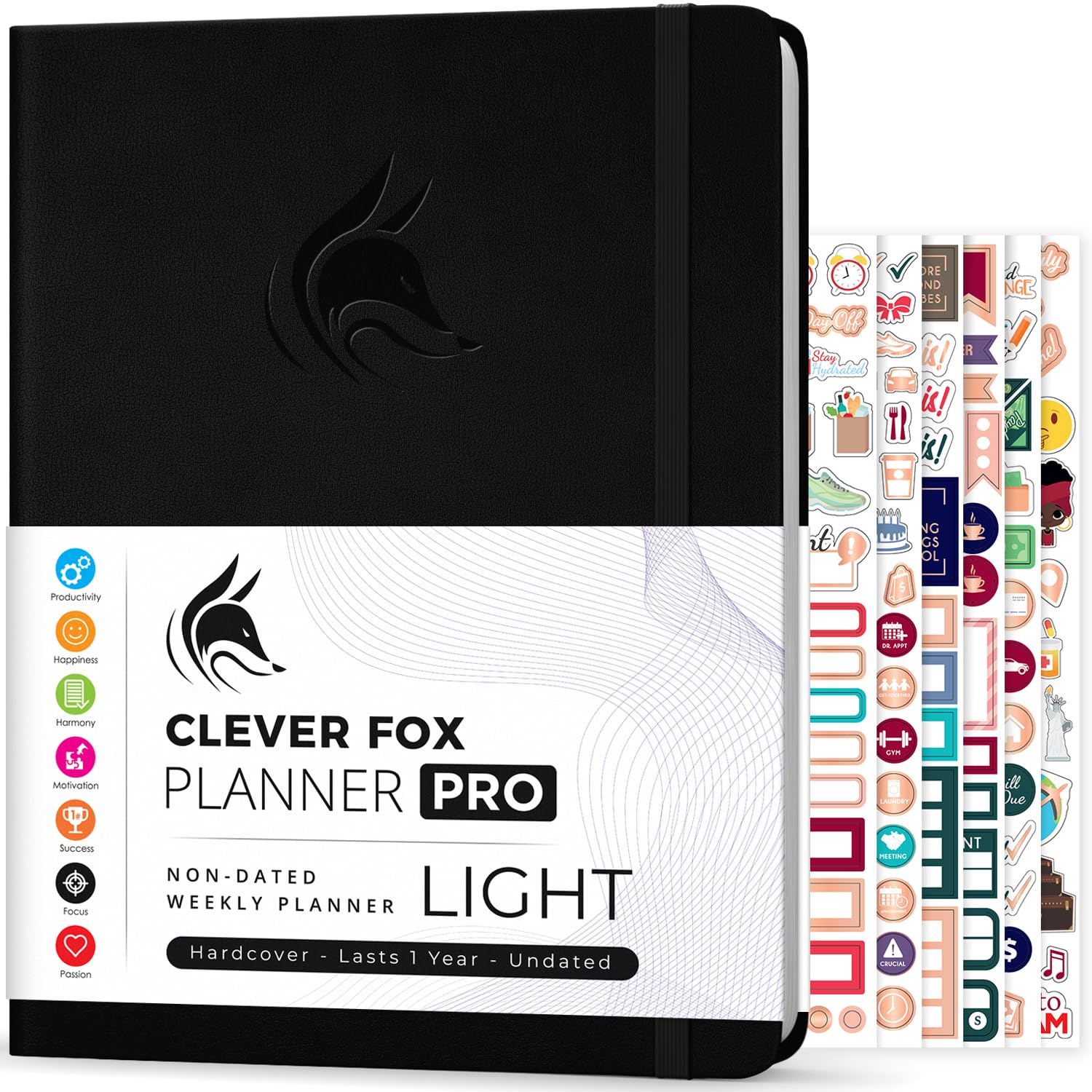
- Its undated layout can be started at any time of year.
- It includes a step-by-step user guide and planning stickers.
- The planner helps organize goals into a monthly, weekly, and daily agenda.
Best Gift For: Students who want a flexible way to plan goals and keep monthly, weekly, and daily tasks together.
VASAGLE 4-Tier Bookshelf, Charcoal Gray and Black
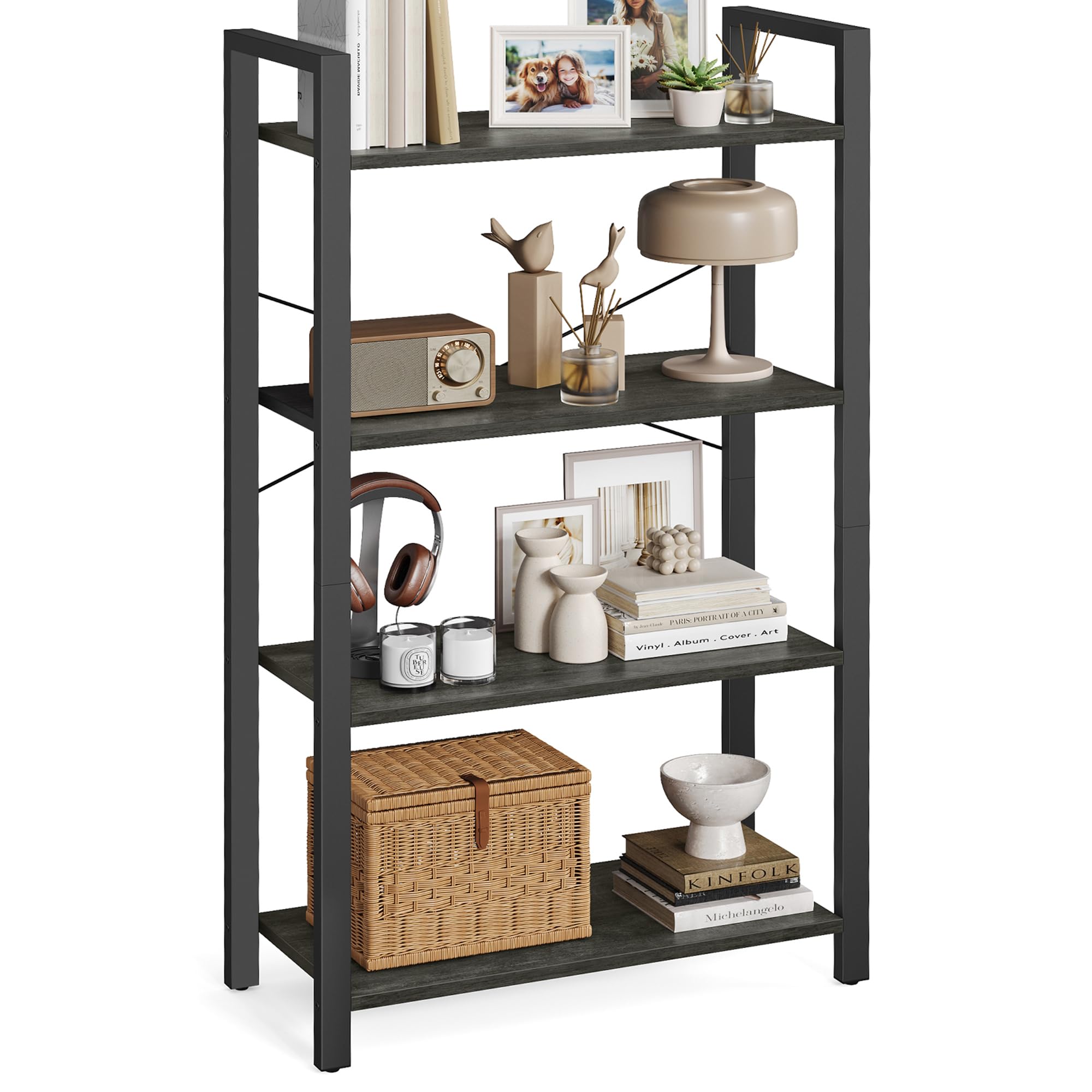
- Four tiers provide vertical storage while using little floor space.
- The steel frame and particleboard shelves support up to 88 lb.
- An anti-tip kit is included for wall attachment.
Best Gift For: A student with room for vertical book and study-supply storage in a bedroom or home office.
JLab Go Work Wireless On-Ear Headset, 1-Pack
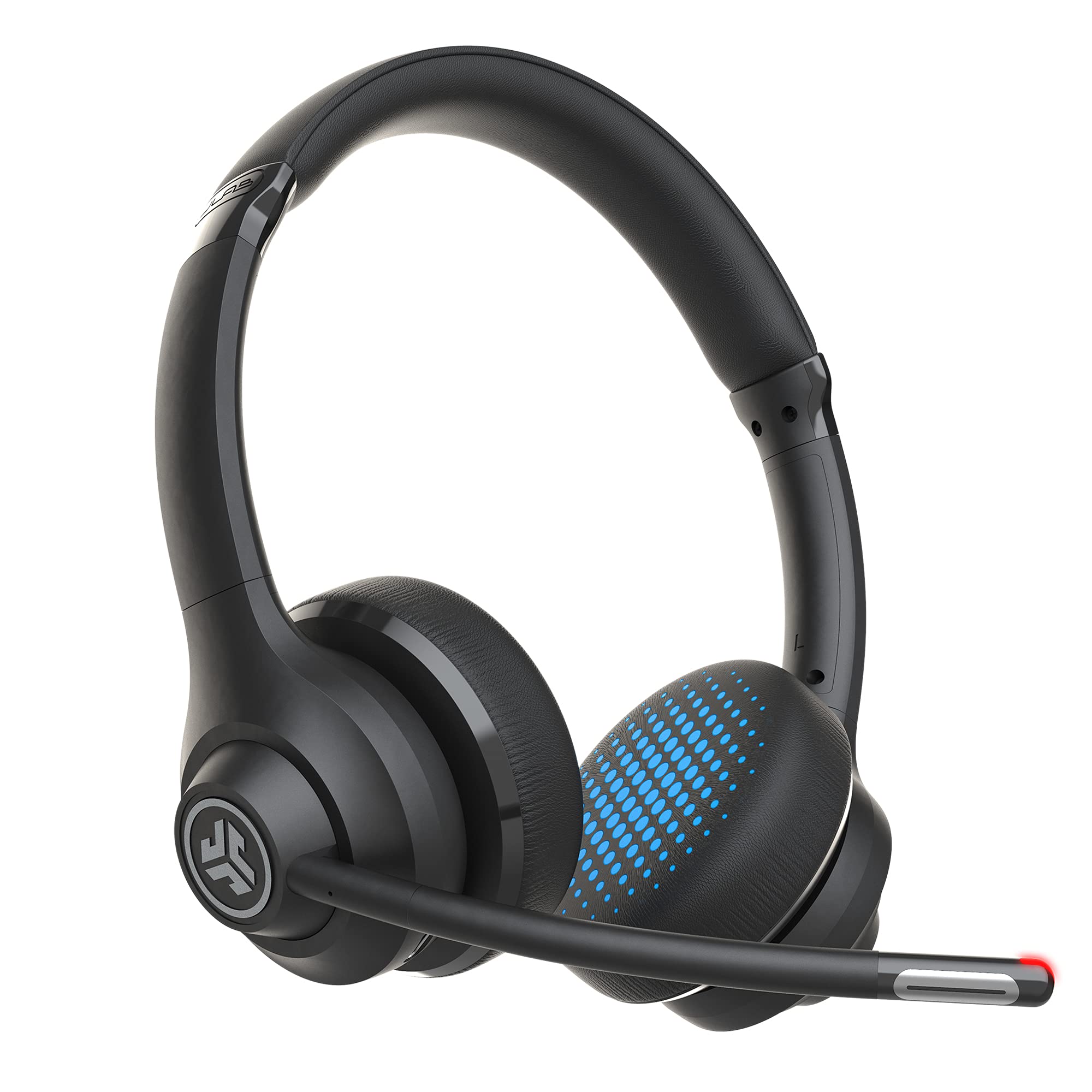
- Bluetooth multipoint connects to two devices at once.
- The headset offers 45+ hours of playtime on one charge.
- A rotating boom microphone can move out of the way for listening.
Best Gift For: Students moving between computer work, mobile listening, and video calls.
SONGMICS Adjustable Bed Laptop Desk and Tray
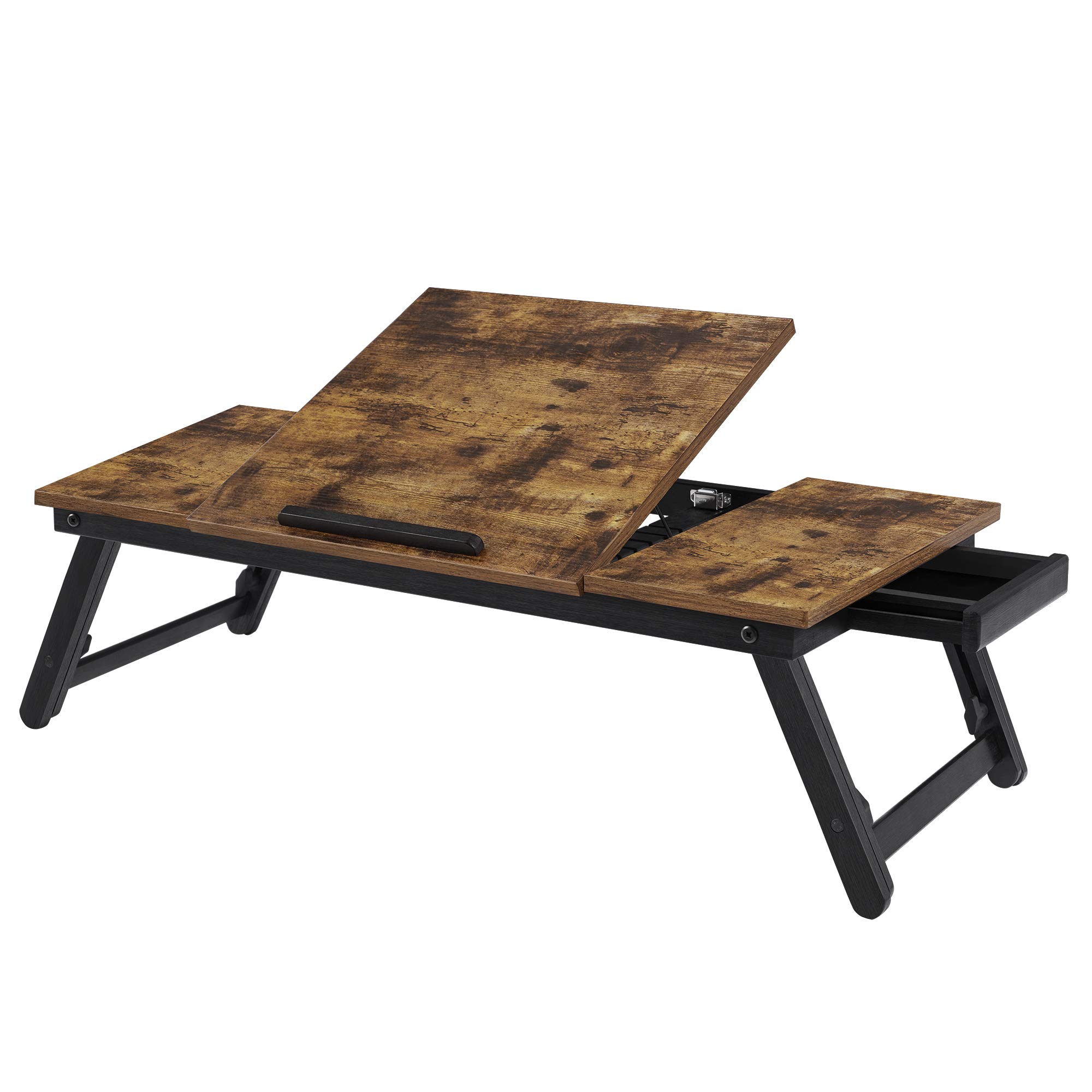
- The desktop angle has five settings and the legs adjust in height.
- Its symmetrical desktop leaves mouse space on either side.
- The folding tray has an adjustable tilt top.
Best Gift For: Students who like to read, write, or work from a bed or sofa.
Fellow Carter Move 16 oz Ceramic-Lined Travel Mug
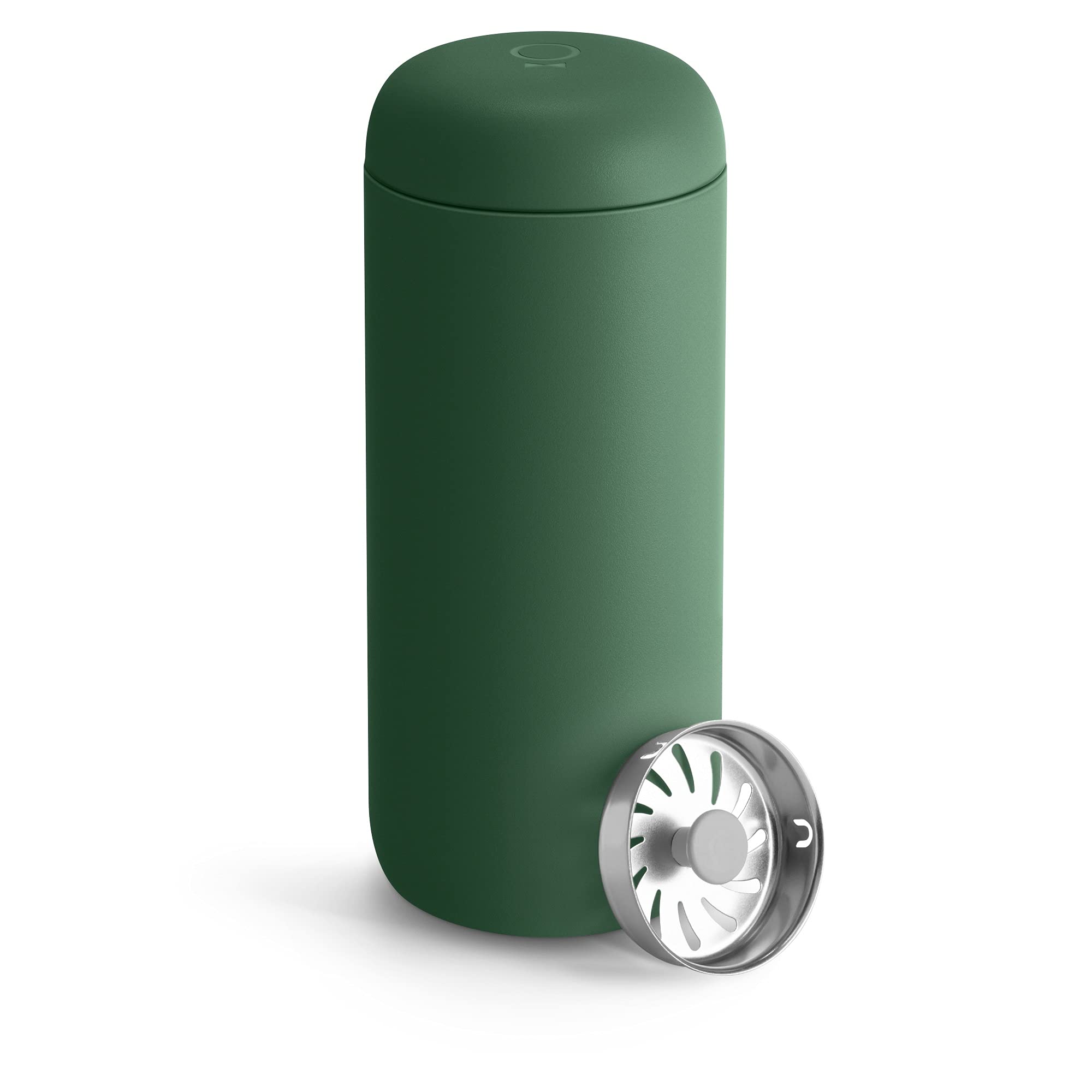
- The ceramic-coated interior is designed to keep drink flavors clear.
- Double-wall stainless steel keeps drinks hot or cold for hours.
- A removable splash guard helps steady drinks when the lid is off.
Best Gift For: Students who bring coffee, tea, or water along for a day of classes or study.
Whitelines Graph-Ruled Notebooks, 3-Pack
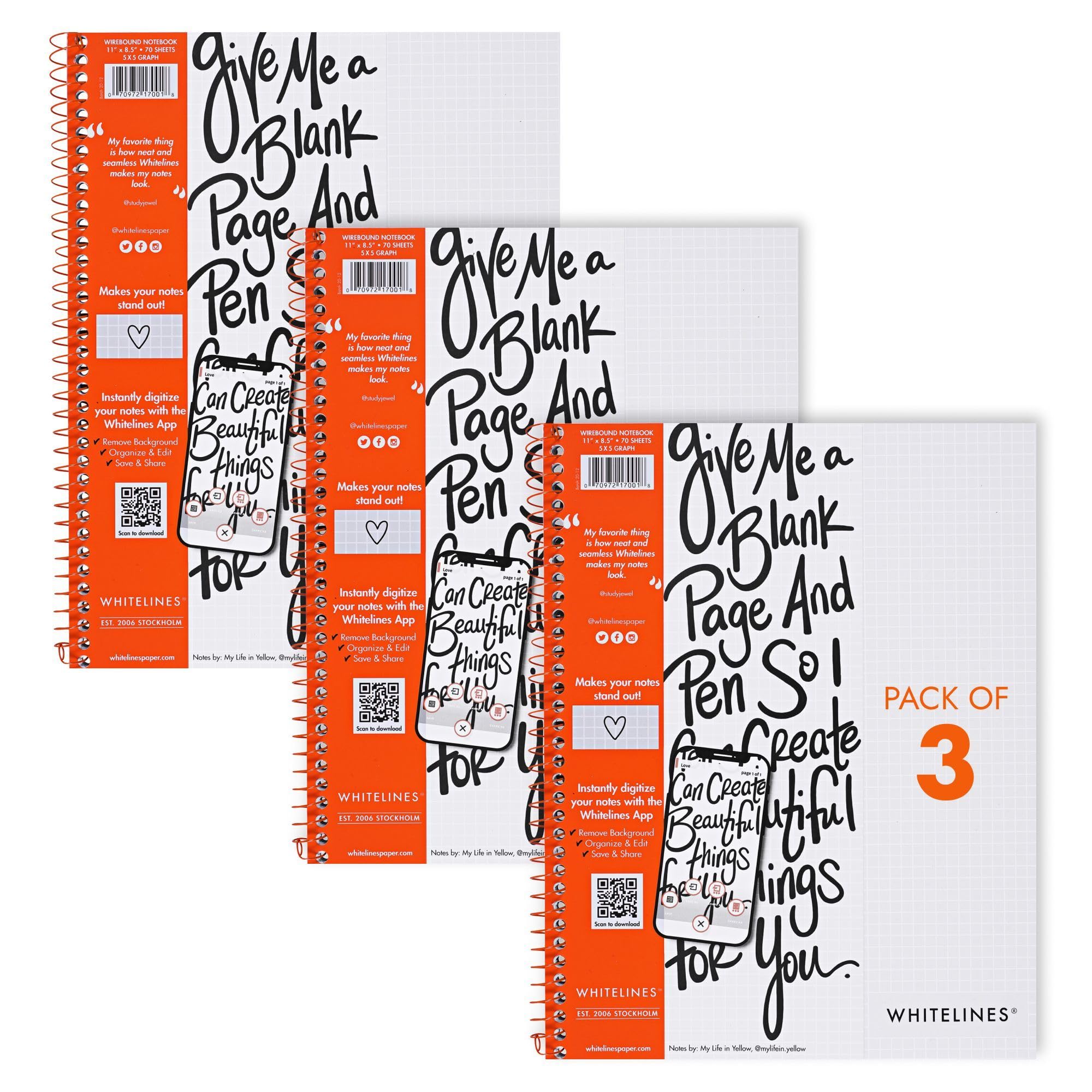
- The pack contains three notebooks with 70 sheets each.
- The notebooks use graph paper with a light gray tint.
- The app can remove the page background from writing or drawing.
Best Gift For: Students who prefer graph paper for class notes, writing, or drawing.
Mr. Pen Aesthetic Magnetic Bookmarks, 12-Pack
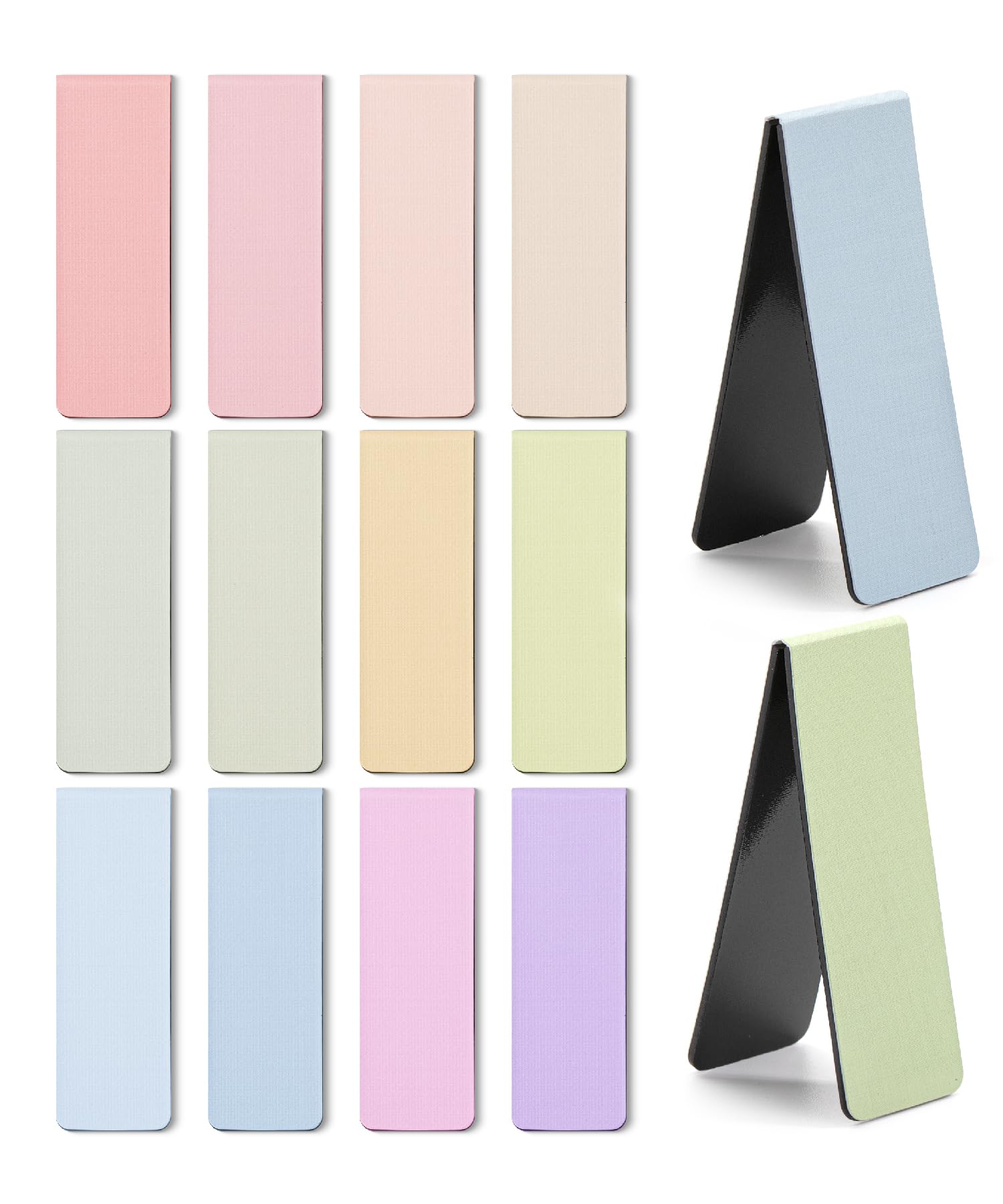
- The set includes bookmarks in a variety of soft pastel colors.
- A magnetic closure helps keep each marker on the page.
- The slim design marks pages without adding much bulk to a book.
Best Gift For: Students who read textbooks or novels and like marking several sections at once.
10X Rectangle Magnifying Lamp with Light
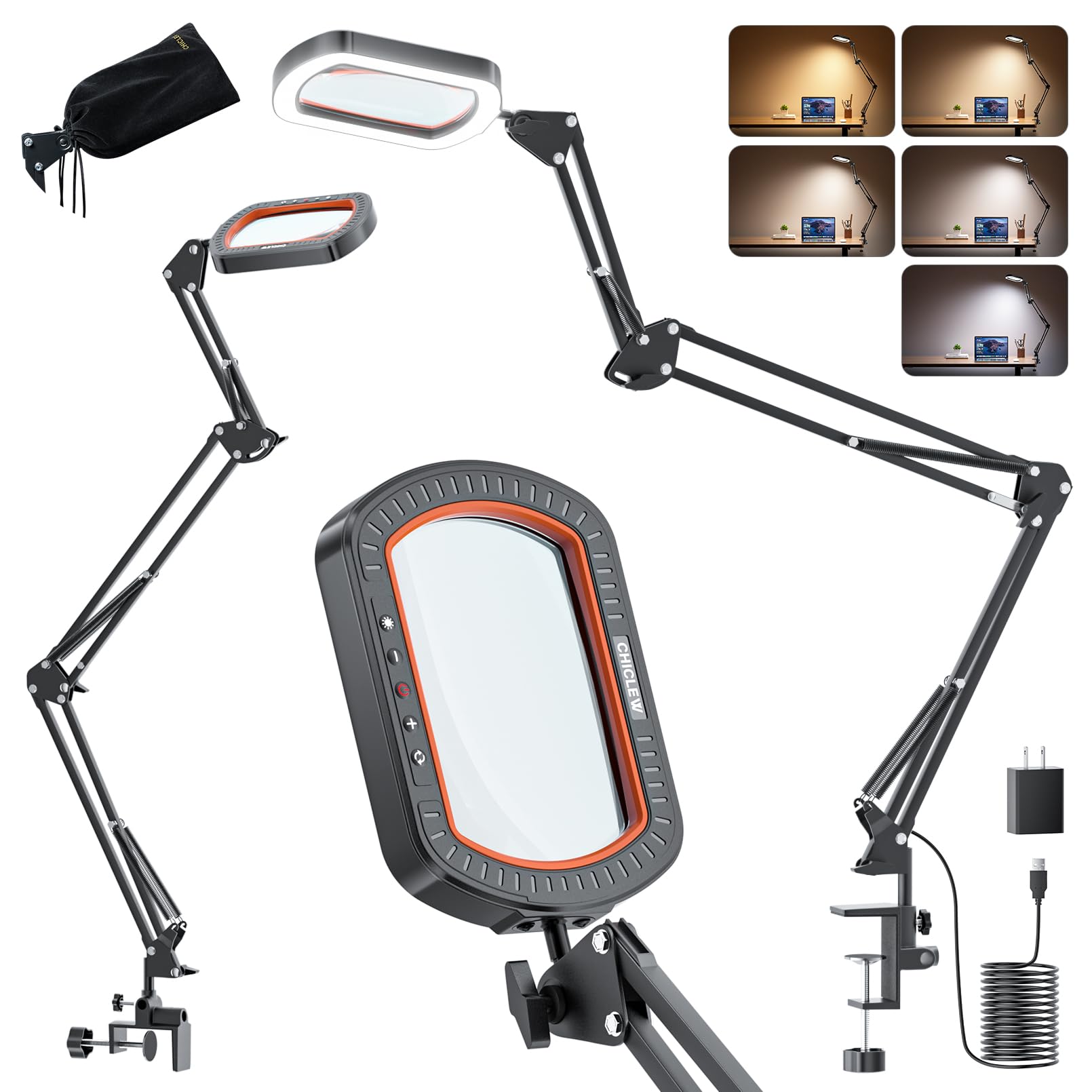
- The rectangular magnifier has a 10X glass lens.
- The lamp offers five color modes and smooth brightness control.
- Its clamp mounts to desk, workbench, or table edges.
Best Gift For: Students who read small print or work with detailed materials at a desk.
Mr. Pen Heavy-Duty Metal Bookends, 8-Pack
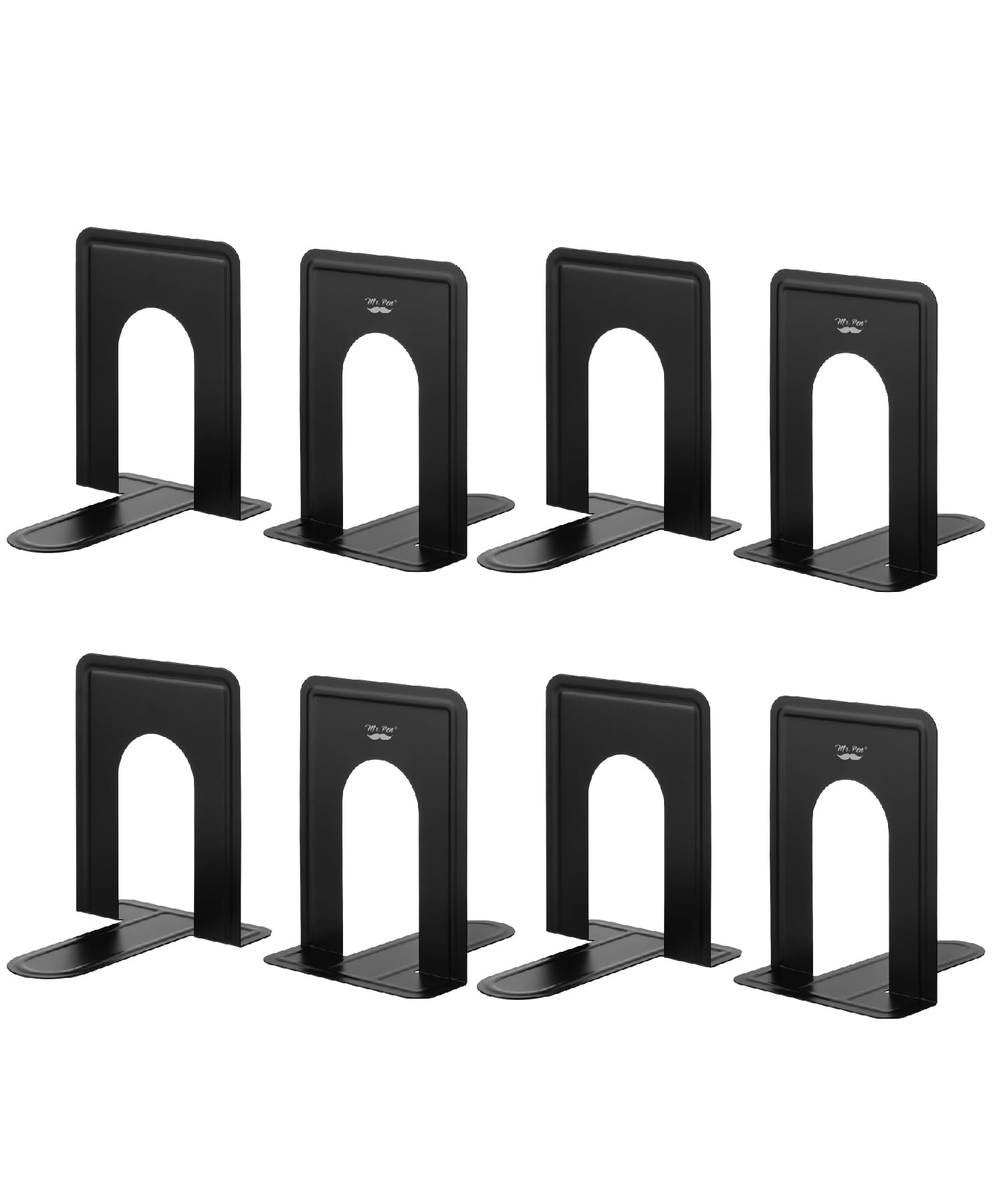
- The set includes eight black metal bookends.
- They can hold books, files, or other shelf items upright.
- The finish pairs with home or office shelving.
Best Gift For: Students who want to keep books, files, or binders organized on a shelf.
Kolbs Wedge Reading Pillow with Arms
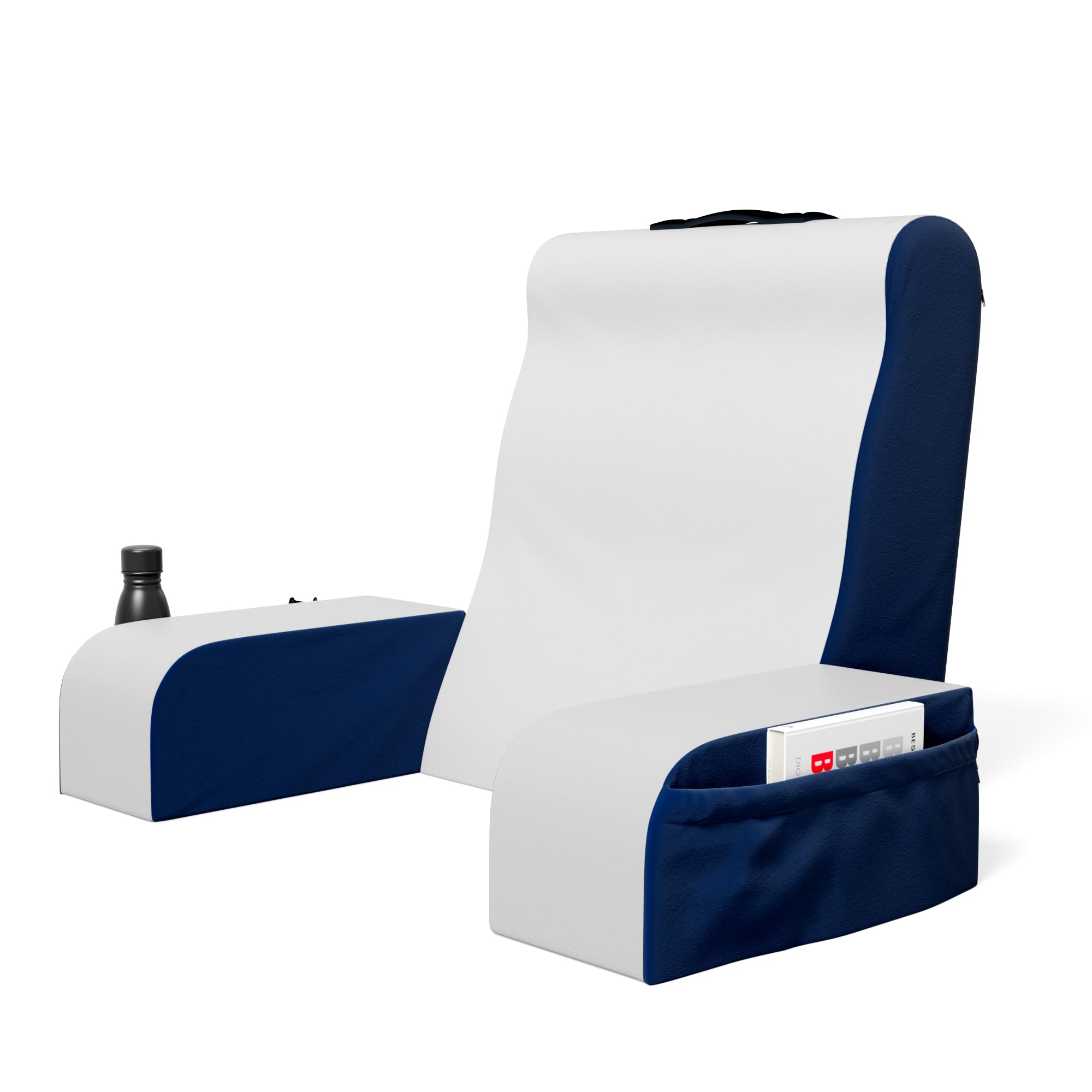
- Structured foam provides support with soft cushioning.
- Side pockets hold small items such as a phone or book.
- The plush cover is removable for washing.
Best Gift For: Students who like reading or studying while sitting up in bed or on a couch.
1. Match Gifts for Students Under 50 to Their Routine
When choosing gifts for students under 50, start with the way the person actually studies. A commuter carrying books between classes may appreciate compact tools that keep notes and reading organized, while someone who works mostly in a dorm may value a more comfortable or orderly study corner.
Think about their current habits before adding a new system. If they already keep a planner, a fresh planning companion can be useful; if they rely on loose papers, writing supplies or shelf organization may fit better.
A gift that supports an existing routine is easier to use than one that asks the recipient to change it.
Consider where the gift will live and travel. Desk accessories can be welcome in a room with a dedicated work surface, while smaller stationery and reading aids suit a crowded backpack or shared study area.
If you are unsure, choose something easy to store and simple to work into an ordinary school day.
2. Balance Budget and Everyday Use
A modest budget can still cover a useful gift when you focus on how often the student will use it. Consumable or repeat-use supplies can serve throughout a term, while one room accessory may make a larger difference if it solves a daily comfort or organization problem.
Think about the recipient’s schedule, not just the object’s size.
Some gifts need companion items or setup to work as intended. Before buying, check whether refills, compatible devices, desk space, or assembly are relevant, then consider the overall cost of making the gift ready to use.
That small check helps a practical present feel complete instead of creating an unexpected errand.
For a shared dorm or family home, think through storage and portability. A compact item may be easier to keep nearby, while a larger piece can be valuable if the recipient has room for it.
Check current prices and dimensions before ordering, since both can change and should fit your plans.
3. Make Gifts for Students Under 50 Feel Personal
Gifts for students under 50 feel more thoughtful when they reflect a specific interest or study habit. Pair a reading accessory with a note about a favorite genre, or choose stationery in a color that suits the recipient’s style.
A short handwritten message can explain why you picked something without making a practical gift feel formal.
Presentation can add warmth without adding much expense. Wrap a small item with a bookmark or a few blank note cards, or place a room-focused gift in a reusable tote the student can carry afterward.
Keep the bundle useful and light enough to store, especially if the recipient is moving between home and campus.
For a student beginning a new term, a gift can also mark a moment of encouragement. Add a note wishing them luck on a project, a new class, or a busy week, and leave room for their own plans rather than assuming what they will study.
Personal details make a simple item feel chosen for them.
4. Choose a Presentation That Travels Well
Students may be moving between a family home, campus, work, and shared study spaces, so practical packaging matters. Use a small box or reusable bag that protects the gift without adding bulky wrapping.
If the recipient is traveling soon, keep the presentation easy to carry and avoid combining too many separate pieces.
For a room accessory, include a brief note suggesting where it might fit, while letting the recipient decide how to arrange their space. A compact bundle of paper goods can be tied with ribbon or tucked into a folder.
Clear, simple presentation keeps the attention on the gift and avoids creating extra clutter.
When sending a gift directly, double-check the recipient’s address and any personalization details. Choose packaging suitable for the item and review the order information before completing the purchase.
If the gift is intended for a particular occasion, allow time for the recipient to receive it and open it comfortably.
5. Last-Minute Buying Advice
When time is short, choose a gift that needs little setup and has a clear use in the recipient’s routine. Before ordering, check current compatibility, dimensions, and delivery estimates, especially for items that need to fit a desk, device, or shelf.
Those details can prevent a rushed choice from becoming inconvenient.
If you cannot confirm a particular preference, lean toward flexible options that support reading, note-taking, or organization. A short card can make a practical choice feel personal, and the recipient can decide how to use it.
For anything that may require assembly or cleaning, review the current product information before purchase.
For a gift needed on a specific date, check estimated arrival details at checkout and leave a backup plan if timing is uncertain. A printed note or small reading accessory can make a thoughtful placeholder while a larger present arrives.
Keep the message warm and specific, without promising a delivery date you cannot control.